
What to Do If You Knock Out a Tooth | Emergency Care
Aug 23, 2026
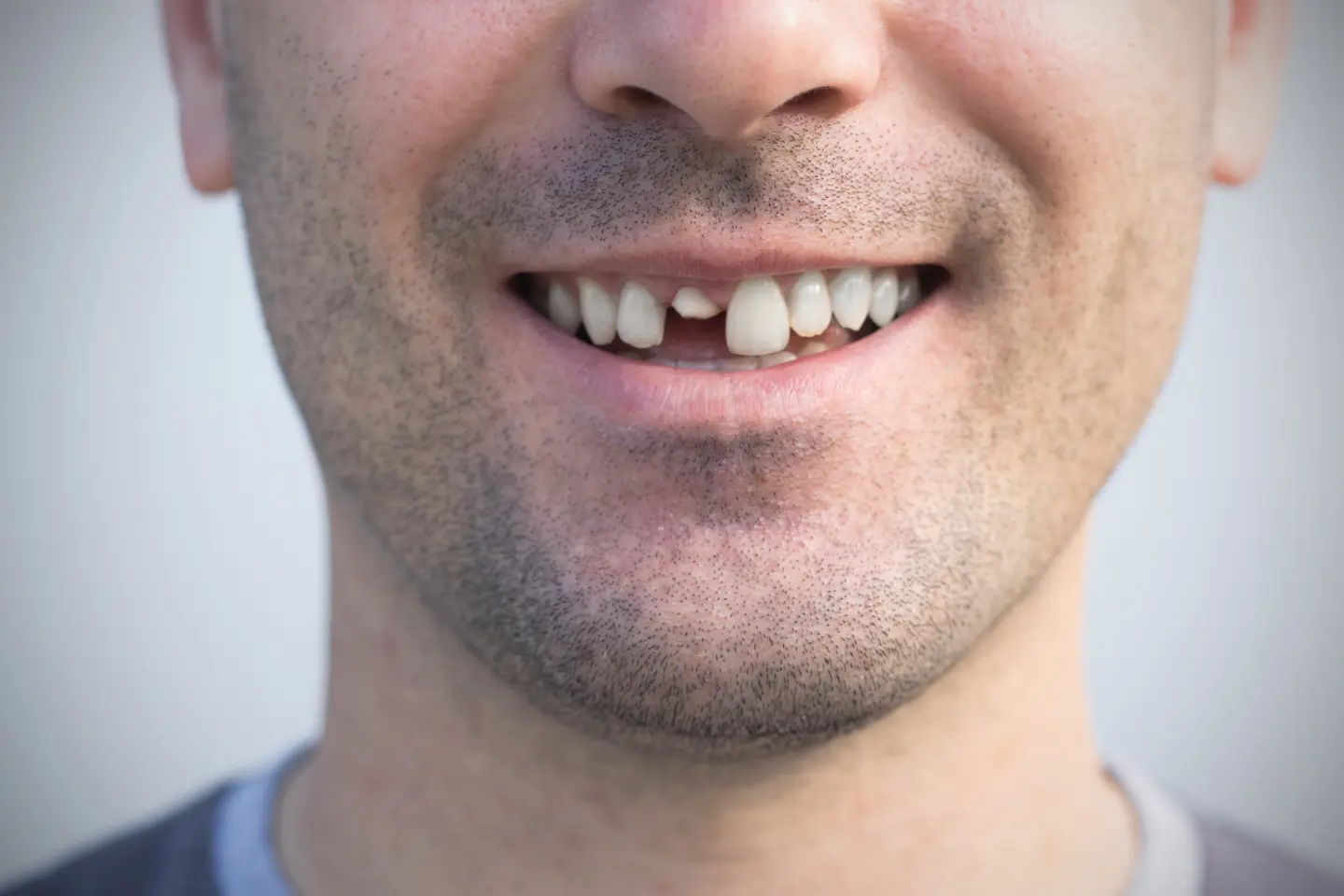
There's nothing quite like that jolt of panic when your kid comes running in with blood on their lip and a tooth in their hand. Or maybe it happened to you, out on the field or after a bad step off a curb. Either way, a knocked out tooth has a way of turning a normal afternoon upside down in about two seconds flat. The good news is that what you do in the next few minutes actually matters, and it doesn't take special training to help. It just takes knowing a handful of steps.
Why the First Few Minutes Matter So Much With a Knocked Out Tooth
Once a tooth is knocked out, sometimes called tooth avulsion, the clock starts running. The root of a tooth is covered in tiny fibers and cells that need to stay moist, and they start drying out pretty quickly once exposed to air. A lot of dentists point to the first thirty to sixty minutes as the window where things tend to go best, though every situation is a little different and outcomes really do vary depending on the specifics.
That's really the whole reason this stuff is worth knowing ahead of time. You don't need to panic, and you definitely don't need to be a dental professional. You just need to move quickly and get to a dentist as soon as you reasonably can.
What to Do the Moment a Tooth Gets Knocked Out
Here's roughly what to do if you're facing a knocked out tooth, whether it's your child's or your own:
- Pick the tooth up by the crown, the white part you'd normally see when someone smiles, and try to avoid touching the root.
- Give it a gentle rinse with plain water if it's dirty; no soap, no scrubbing, just a quick rinse.
- If you're able to, try placing the tooth back into the socket facing the right way, then have the person bite down softly on gauze or a clean cloth to hold it there
- Can't get it back in? Keep it moist. A small container of milk works well, or an older kid or adult can hold it gently between the cheek and gum.
- Get to a dental office or urgent care right away, tooth in hand.
Try not to overhandle the root while you're doing all this. Those fibers are fragile, and how well the tooth holds up later can depend partly on how gently it was treated in these first few minutes.
Mistakes to Avoid When Dealing With a Knocked Out Tooth
A few things are worth actively avoiding here. Don't scrub the tooth or try to clean off every last bit of debris, even if it looks rough. Scrubbing can damage the root surface in ways that matter more than a little dirt does. Skip the paper towel or tissue too. Wrapping a knocked out tooth in something dry is one of the more common mistakes people make, and dryness is exactly what you're trying to avoid.
Tap water isn't great for long-term storage either. It's fine for a quick rinse, but if you're going to be holding onto the tooth for more than a minute or two before reaching the dentist, milk keeps the root cells in much better shape. And honestly, if you're fumbling and can't remember every single step, don't let that slow you down. Getting to a dentist quickly matters more than getting every detail perfect.
What Happens at the Dental Office After a Knocked Out Tooth
When you show up at a dental office with a knocked out tooth, the dentist will usually start by taking a look at both the tooth and the socket to get a sense of what they're working with. If the tooth hasn't already been put back in place, the dentist may reposition it, a step often referred to as replantation. After that, it typically gets splinted, meaning it's stabilized against the teeth next to it while everything starts to heal.
From there, your dentist will likely talk through next steps to help manage things like infection risk, and they'll probably want to check back in over the following weeks to see how healing is going. In some cases, especially if too much time passed or the tooth just isn't salvageable, the conversation shifts toward other options like an implant or a bridge. It really depends on the situation, how quickly things were handled, and the condition of everything involved.
Common Ways Kids and Adults End Up With a Knocked Out Tooth
Sports are a big one. Basketball, football, hockey, anything with a lot of contact tends to show up on the list of common causes, which is a big part of why mouthguards get recommended so often for active kids and teens. Falls are another frequent cause, along with car accidents, playground mishaps, and the occasional unlucky bite into something harder than expected.
A properly fitted mouthguard during sports, a little extra care around hard foods, and staying on top of any dental issues that might weaken a tooth ahead of time can all help lower the odds. Still, accidents happen even when you're careful, which is exactly why knowing what to do in the moment is just as important as trying to prevent it in the first place.
When a Knocked Out Tooth Counts as a Dental Emergency
Pretty much any knocked out tooth should be treated as a dental emergency, since getting care quickly may improve the odds of saving it. Keep an eye out for other warning signs too, like bleeding that won't slow down, obvious jaw damage, or pain that seems more intense than you'd expect. Those are signals to seek urgent care rather than waiting it out.
If this happens outside of normal office hours, plenty of dental practices offer same-day or emergency appointments, so it's worth calling even if it's evening or a weekend rather than waiting until Monday morning. The faster a dentist can take a look, the more options they typically have to work with.
Reach Springfield Dental For Kids & Family Right Away for a Dental Emergency
A knocked out tooth is scary, especially when it's your kid standing in front of you holding it. You shouldn't have to figure out what to do next on your own. At Springfield Dental For Kids & Family, our team understands that dental emergencies never happen at a convenient time, and we're here to help you move quickly when it matters most.
If your child or another family member has just experienced a knocked out tooth, call Springfield Dental For Kids & Family right away so we can walk you through the next steps and get you in as soon as possible. Having a dental office you trust to call during a dental emergency can make an already stressful moment a lot more manageable.
Frequently Asked Questions About a Knocked Out Tooth
Q: Can a knocked out tooth always be saved?
A: Not always, unfortunately. Whether it works out depends on things like how quickly it's handled, how it was stored, and how much time passed before reaching a dentist. Fast action and proper handling may help, but there's no way to guarantee the outcome ahead of time.
Q: What's the best thing to store a knocked out tooth in?
A: Milk is generally a solid choice for keeping it moist, and holding it in the cheek works too for older kids and adults who can do that safely. Avoid letting it dry out or sit in tap water for too long.
Q: Is a knocked out baby tooth handled differently than an adult tooth?
A: Yes, quite a bit differently. Dentists typically don't try to reinsert a baby tooth, since that can interfere with the permanent tooth developing underneath. It's still smart to have a dentist check things out afterward.
Q: How fast do I actually need to get to a dentist?
A: As fast as you reasonably can. That first thirty to sixty minutes tends to matter, so treat it like the dental emergency it is and head to a dental office right away rather than waiting to see how things look.
Q: Will putting the tooth back in hurt?
A: The dental team will do what they can to keep things comfortable during treatment. Some soreness afterward is pretty normal as the area heals, but that's manageable and expected.
Schedule Your Visit!
*Name
*Phone Number
*Message

We are committed to providing high-quality dental care personalized to
each patient's needs, using the latest technology and techniques.
OVERVIEW
SERVICES
OFFICE HOURS
Mon - Fri: 9:00 am - 5:00 pm
Sat & Sun: Closed
Privacy Policy | © 2025 Springfield Dental Kids | All Rights Reserved | Digital Marketing by Remedo