
Do Dental Implants Look and Feel Like Natural Teeth?
Oct 17, 2026
If you are missing a tooth and looking into replacement options, chances are this question has crossed your mind more than once. Photos and marketing materials tend to show flawless, picture perfect smiles, but what does an implant actually look and feel like once it is in your mouth and part of your everyday life?
This is one of the most common questions we hear from patients considering dental implants in Springfield, MA, and it deserves an honest answer rather than a sales pitch. Below, we will walk through what implants are designed to do, how they generally compare to natural teeth in appearance and sensation, and what factors can influence the final result.
How Are Dental Implants Designed to Mimic Natural Teeth?
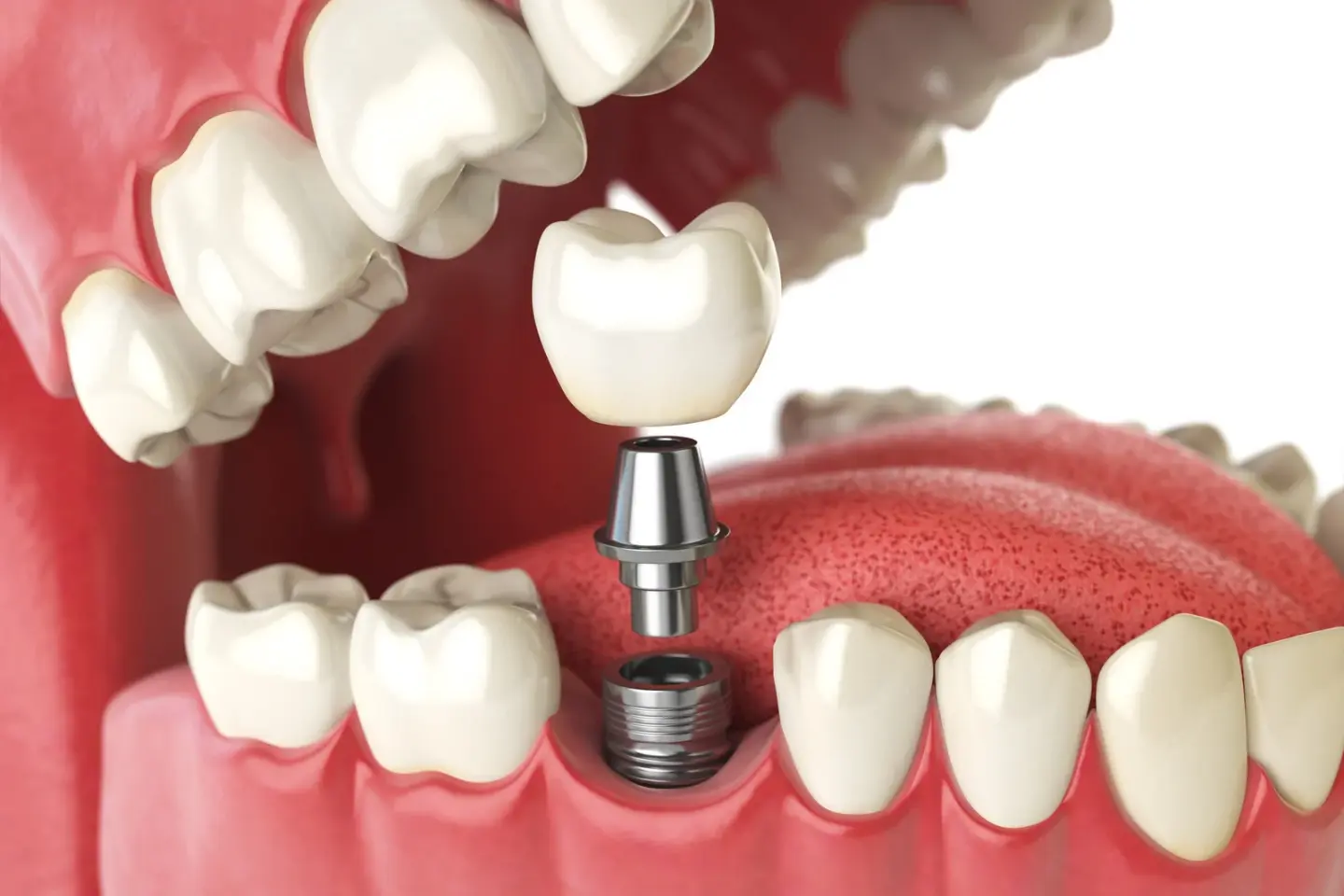
A dental implant is made up of three main parts: a titanium post that is placed into the jawbone, an abutment that connects the post to the visible portion of the tooth, and a crown that sits on top and is visible when you smile or talk. The crown is typically custom shaded and shaped to blend with your surrounding natural teeth, which is a big part of why implants are often described as one of the more natural looking replacement options available.
That said, natural looking does not necessarily mean identical in every single case. Factors like the shade matching process, the skill and experience of the dental team, and the condition of the surrounding gum tissue can all play a role in how closely the final result resembles the rest of your smile.
Do Dental Implants Look Like Real Teeth?
In many cases, yes, dental implants can look remarkably similar to natural teeth once healing is complete and the final crown is in place. The crown material used today is designed to reflect light in a way that resembles natural enamel, rather than looking flat or artificial the way older restorations sometimes did.
Gum tissue around the implant also plays a role in how natural the result appears. A healthy gumline that frames the implant crown the way it would a natural tooth tends to contribute significantly to the overall look. This is part of why gum health is often addressed before or alongside implant placement, rather than being treated as a separate concern.
It is worth being honest that results can vary from patient to patient. Someone with more significant bone loss in the area, for example, may need additional procedures such as bone grafting to achieve a result that blends in well, and a dentist can walk you through what to expect based on your specific situation.
Do Dental Implants Feel Like Natural Teeth When Chewing or Speaking?
This is where implants tend to genuinely stand out compared to some other tooth replacement options, like removable dentures. Because the implant post is anchored directly into the jawbone, it is designed to function more like a natural tooth root, which many patients find translates into a more stable and secure feeling when chewing.
Unlike a natural tooth, an implant does not have the same nerve sensation, since the nerve of the original tooth is no longer present. This means implants generally do not feel pain or temperature sensitivity the way a natural tooth might, which most patients consider a benefit rather than a drawback. Some patients do report an initial adjustment period as they get used to the sensation of the implant, particularly when it comes to biting pressure, though this typically becomes far less noticeable over time as you adapt to the restoration.
Speech is another area patients often ask about. For most single tooth or limited implant cases, speech is not significantly affected, though patients who have several implants placed at once, particularly involving a full arch, may need a short adjustment period to get used to speaking normally again.
What Can Affect How Natural an Implant Looks and Feels?
A number of factors can influence the final outcome, and being aware of them can help set realistic expectations before you begin treatment.
- The skill and planning involved in shade matching and crown design
- The health and contour of the surrounding gum tissue
- Whether bone grafting or other preparatory procedures were needed
- The location of the implant, since front teeth generally require more precise esthetic matching than back molars
- Individual healing response, which can vary from person to person
Patients considering dental implants in Springfield, MA often benefit from a detailed consultation where these factors can be discussed specifically in relation to their own mouth, rather than relying on general expectations that may not apply to every case.
How Long Does It Take for an Implant to Feel Like Part of Your Smile?
Adjusting to a dental implant is generally a gradual process rather than something that happens overnight. After the implant post is placed, there is typically a healing period, often a few months, during which the implant integrates with the surrounding bone. Once the final crown is attached, most patients find that the implant starts to feel like a natural part of their bite within a relatively short period of everyday use, though this timeline can vary.
Being patient during this adjustment phase tends to make the process feel less frustrating, especially for patients who expected the implant to feel completely normal from the very first day.
Why Families Choose Springfield Dental For Kids & Family for Implant Care
Every mouth is different, and how an implant ultimately looks and feels depends a lot on the planning that goes into treatment from the very beginning. At Springfield Dental For Kids & Family, we take time during consultations to discuss shade matching, gum health, and what a realistic outcome may look like for your specific case, rather than making broad promises before an exam has taken place.
We also understand that patients want honesty over polished marketing language. Implants can be an excellent option for many patients, but being upfront about what to expect, including the healing process and adjustment period, tends to lead to a much more satisfying experience overall.
Schedule a Consultation for Dental Implants in Springfield, MA
If you have been wondering whether an implant would genuinely blend in with the rest of your smile and feel comfortable day to day, the most reliable way to find out is a consultation tailored to your specific case.
Contact Springfield Dental For Kids & Family to schedule your visit and learn more about dental implants in Springfield, MA. Our team can walk you through the process, answer your questions honestly, and help you understand what a realistic outcome may look like for your smile.
Frequently Asked Questions
Q: Can other people tell if I have a dental implant?
A: In many cases, implants are designed to blend in closely with surrounding natural teeth, particularly when shade matching and gum health are addressed carefully. That said, results can vary depending on the individual case.
Q: Do dental implants feel painful once they have healed?
A: Once healing is complete, most patients do not experience ongoing pain from a properly placed implant. Since the implant does not have the same nerve sensation as a natural tooth, it typically does not react to temperature the way a natural tooth might.
Q: Will an implant affect the way I speak?
A: For most single tooth cases, speech is generally not significantly affected. Patients receiving several implants, especially full arch restorations, may need a short adjustment period.
Q: How long does it take to get used to a dental implant?
A: This varies by patient, but many people find implants start to feel like a natural part of their bite within a relatively short period of regular use after the final crown is placed.
Q: Do dental implants require any special care to keep looking natural?
A: Implants generally require the same daily brushing and flossing as natural teeth, along with regular dental checkups, to help maintain both the health of the surrounding gum tissue and the appearance of the restoration over time.
Q: How do I find out if dental implants in Springfield, MA are right for me?
A: The best way is a consultation, which typically includes an exam and imaging such as X-rays, so a dentist can evaluate your bone structure, gum health, and overall candidacy before recommending a treatment plan.
Schedule Your Visit!
*Name
*Phone Number
*Message

We are committed to providing high-quality dental care personalized to
each patient's needs, using the latest technology and techniques.
OVERVIEW
SERVICES
OFFICE HOURS
Mon - Fri: 9:00 am - 5:00 pm
Sat & Sun: Closed
Privacy Policy | © 2025 Springfield Dental Kids | All Rights Reserved | Digital Marketing by Remedo