
Signs Your Child May Have Dental Anxiety and How to Help
Jan 07, 2026
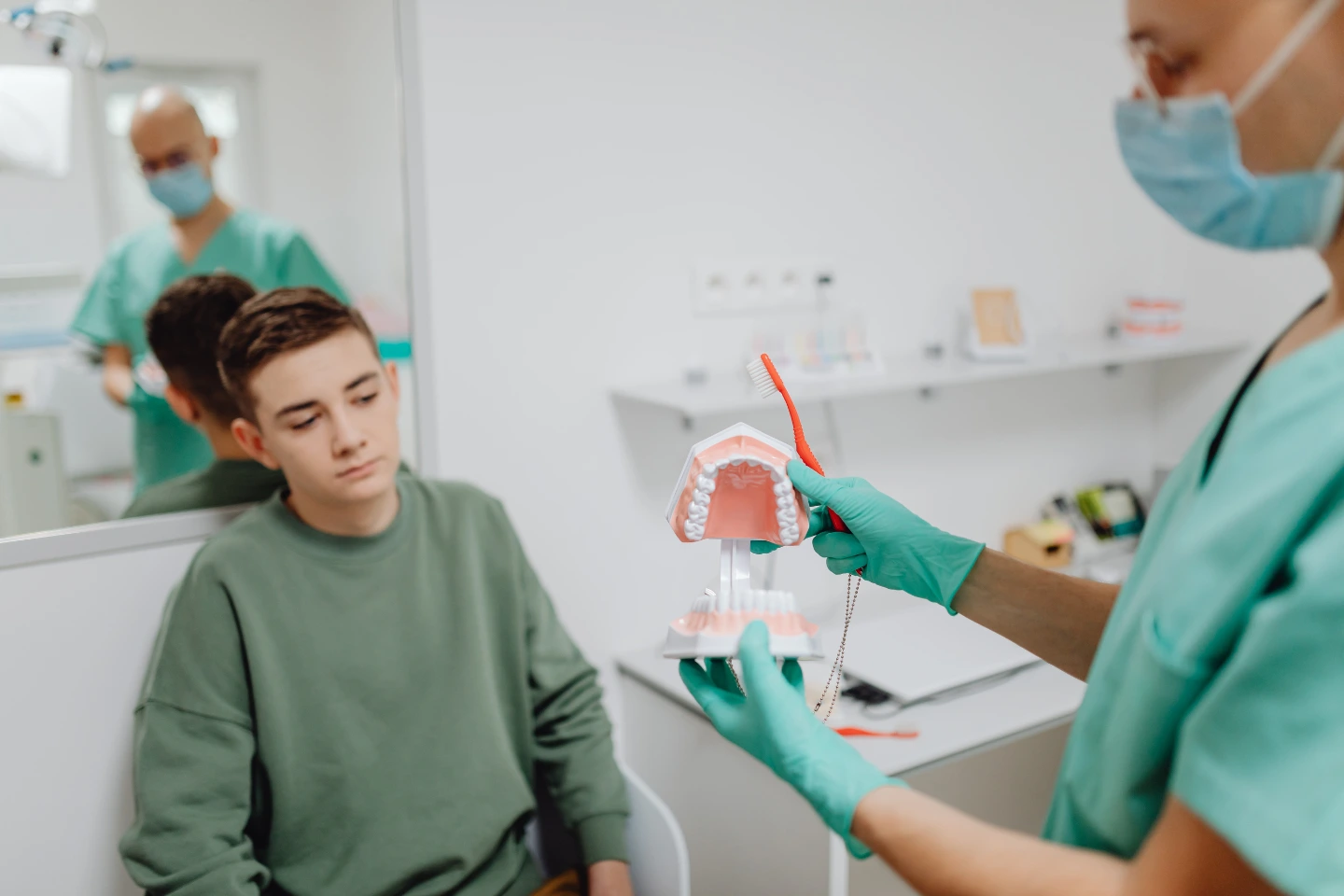
Dental anxiety, or fear of visiting the dentist, is a common issue that affects both children and adults. For children, this fear can often be traced back to negative experiences, hearing scary stories, or simply feeling a loss of control in an unfamiliar environment. Recognizing the signs of dental anxiety early is crucial for parents because untreated fear can lead to avoid appointments, which ultimately compromise a child’s long-term oral health. Finding a supportive and compassionate pediatric dentist in Springfield, MA, is the first step toward overcoming this challenge.
A practice dedicated to family well-being, like Springfield Dental For Kids & Adults, understands that addressing fear is as important as treating a cavity. By being proactive and understanding your child’s unique needs, you can transform dental visits from a source of stress into a routine, positive experience.
Recognizing the Hidden Signs of Dental Anxiety
Dental anxiety doesn't always look like an outright tantrum. In children, fear can manifest in subtle physical and behavioral ways. Parents often miss these signs, dismissing them as normal nervousness or typical childhood reluctance. Being aware of these indicators is vital for getting your child the necessary support from a pediatric dentist in Springfield, MA.
Physical Manifestations of Fear
These signs often appear leading up to the appointment or while sitting in the waiting room:
- Complaints of Physical Ailments: Your child may complain of a sudden stomachache, headache, or general nausea just before the appointment. This is the body’s physical reaction to stress and worry.
- Excessive Sweating: Noticeable sweating in the palms, face, or forehead, even if the room temperature is comfortable, can indicate high anxiety.
- Rapid Heartbeat or Heavy Breathing: If you notice your child is breathing rapidly, shallowly, or complaining of a tight chest, their fear response is activated.
- Clinging or Excessive Crying: While normal in toddlers, older children who suddenly become overly clingy or exhibit prolonged crying spells before a dental visit are signaling distress.
Behavioral and Emotional Indicators
These behaviors are often related to avoidance and expressing their worries:
- Avoidance Talk: The child constantly changes the subject, pretends they forgot about the appointment, or repeatedly asks, "Do I really have to go?"
- Increased Irritability: They might become moody, argumentative, or lash out in the days leading up to the appointment.
- Withdrawal and Silence: Some children handle fear by becoming unusually quiet, withdrawn, or unwilling to make eye contact with the dental staff.
- Difficulty Sleeping: Restless nights or nightmares about the dentist are clear signs that the upcoming visit is causing significant emotional stress.
If you recognize these symptoms, it's time to communicate with your child and your dental professional. The team at Springfield Dental For Kids & Adults is trained to handle anxious patients with compassion and specialized techniques.
Strategies for Parents: Creating a Positive Dental Narrative
The single most effective tool against dental anxiety is positive preparation and clear communication. Your own attitude toward the dentist heavily influences your child.
1. Watch Your Words (and Timing)
- Keep it Simple and Positive: Avoid using scary language like "shot," "drill," "pull," or "hurt." Use simple, neutral terms instead, such as "counting teeth," "sleepy water" for an anesthetic, or "whistle" for the dental handpiece.
- Avoid Over-Preparing: Don't talk about the appointment constantly for weeks. Mention the visit a few days in advance so your child can process it without prolonged worry.
- Never Use the Dentist as a Threat: Threatening a child with a dentist visit if they don't brush creates a negative association with the professional meant to help them.
2. Practice and Play
- Role-Play at Home: Let your child lie down and pretend to be the dentist, examining their teeth. Use a small mirror and count their teeth. This familiarizes them with the routine in a safe, fun environment.
- Read Positive Books: Check out books from the library that portray dental visits in a positive light. This visual reinforcement can normalize the experience.
3. Choose the Right Provider
- Select a Pediatric Specialist: Pediatric dentists have two to three years of specialty training focused on child psychology and behavior management. They are experts in making anxious kids comfortable. Look specifically for a compassionate pediatric dentist in Springfield, MA.
- Schedule a "Meet-and-Greet": Ask if you can stop by the office just to say hello, meet the hygienist, and sit in the dental chair for a moment without having any procedures done. Familiarity reduces fear.
How a Pediatric Dentist Helps Anxious Children
A specialized dental office understands that anxiety must be managed before treatment can begin effectively. Practices like Springfield Dental For Kids & Adults employ several effective, child-friendly techniques:
Tell-Show-Do (TSD)
This is the golden standard of pediatric behavior management:
- Tell: The dentist explains the procedure in simple, child-friendly terms.
- Show: They demonstrate how the instrument works, perhaps on their finger or a stuffed animal. For example, they might let the child feel the air/water syringe.
- Do: They perform the procedure, just as explained.
Distraction and Comfort
- Visual Distraction: Many offices now offer TVs on the ceiling or virtual reality glasses to help children focus on something other than the treatment.
- Comfort Measures: Providing blankets, headphones, and sunglasses helps the child feel secure and protects them from bright lights and noise.
- Positive Reinforcement: Immediate praise, stickers, or small prizes after the appointment help reinforce positive behavior and make the next visit something to look forward to.
Sedation Options
For children with severe anxiety or complex needs, our pediatric dentist in Springfield, MA, may offer sedation options. These are always discussed thoroughly with parents:
- Nitrous Oxide (Laughing Gas): A mild, inhaled sedative that helps children relax, but they remain awake and responsive. It wears off quickly.
- Conscious Sedation: Medication given orally to make the child feel drowsy, reducing anxiety and cooperation. This is closely monitored by the dental team.
Frequently Asked Questions (FAQs) on Dental Anxiety
Q1: Is it normal for my 6-year-old to suddenly develop dental anxiety?
A1: Yes, it is common and normal for dental anxiety to emerge around this age. As children become more socially aware, they might hear negative stories from peers, or they start anticipating procedures more vividly. A slight negative or uncomfortable past experience can also trigger new fears. The best approach is to address the fear openly with your child and choose an understanding pediatric dentist in Springfield, MA who practices gentle, distraction-focused care.
Q2: Should I stay in the room with my child during the appointment?
A2: Many modern pediatric dental practices encourage the parent to stay in the treatment room, especially for the first few visits, to provide comfort and security. However, some children actually cooperate better when the parent is not present, as they may try to seek attention from the parent instead of the dental team. Discuss the clinic's policy and your child’s temperament with the Springfield Dental For Kids & Adults team to determine the best approach for your child.
Q3: What should I say if my child asks, "Will it hurt?"
A3: Instead of saying "No," which the child may not believe, respond truthfully yet reassuringly. You can say, "You might feel some pressure or a little tickle." This validates their feelings while giving them control.
Q4: Will using laughing gas make my child addicted or scared?
A4: No, Nitrous Oxide (laughing gas) is very safe and wears off almost instantly after the mask is removed. It is non-addictive and is the mildest form of sedation available. It primarily helps children feel relaxed and less concerned about the surrounding activity. It helps create a positive memory of the visit, which can actually reduce anxiety for future appointments, helping them trust their pediatric dentist in Springfield, MA.
Q5: If my child has a panic attack, should I reschedule the visit?
A5: If a child has a severe panic attack, it's often best to pause the treatment. Discuss the situation calmly with the dental team. If the child is completely uncooperative, rescheduling might be necessary after discussing sedation options or techniques with the Springfield Dental For Kids & Adults provider. The goal is always to end the visit on a positive or neutral note, never a traumatic one.
Your Next Step
Addressing dental anxiety is a partnership between you and your dental provider. Don't let fear compromise your child's health. Choose a practice dedicated to gentle, supportive care.
Contact Springfield Dental For Kids & Adults to Schedule a Consultation!
Schedule Your Visit!
*Name
*Phone Number
*Message

We are committed to providing high-quality dental care personalized to
each patient's needs, using the latest technology and techniques.
OVERVIEW
SERVICES
OFFICE HOURS
Mon - Fri: 9:00 am - 5:00 pm
Sat & Sun: Closed
Privacy Policy | © 2025 Springfield Dental Kids | All Rights Reserved | Digital Marketing by Remedo